
Views: 0 Author: Site Editor Publish Time: 2025-07-16 Origin: Site

What Is a TSA Approved Firearm Case? Traveling with a firearm can be tricky, especially when it comes to TSA regulations. Do you know the proper way to secure your firearm during air travel? A TSA-approved firearm case is key to making sure your firearm and ammunition are transported legally and safely. A TSA-approved carry case is crucial in ensuring the firearm is well-protected and complies with all necessary rules.
In this article, you’ll learn what makes a firearm case TSA-approved, the features to look for, and the best practices for transporting firearms.
What qualifies as a TSA-approved firearm case?
A TSA-approved firearm case must be a hard-sided container. This is necessary to prevent the firearm from damage during transport. It must also be lockable, either with a TSA-approved lock or a standard lock. The case should completely secure the firearm, preventing unauthorized access. Firearms must be stored in checked baggage only, as TSA prohibits carrying them in carry-on luggage.
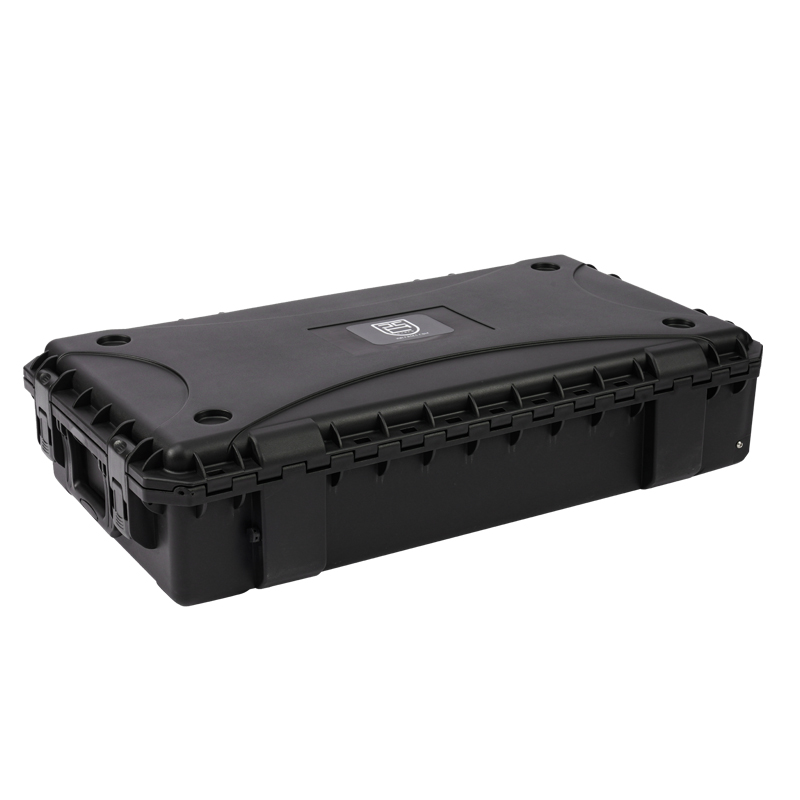
Unloaded firearms: TSA requires firearms to be unloaded before being placed in the case. This is crucial for safety during air travel.
Ammunition in separate containers: Ammunition must be stored in its original packaging or in a container specifically designed for ammo. It should be stored separately but within the same locked firearm case.
A hard-sided case is essential for protecting your firearm during travel. These cases are made from durable materials, such as hard plastic or metal, which prevent crushing or bending. The TSA requires cases to be rigid in order to secure the firearm completely. This rigidity ensures that your firearm remains protected from impact during transit and makes it harder for unauthorized individuals to access the weapon.
When selecting a TSA-approved firearm case, the locking mechanism is one of the most important factors. TSA allows several types of locks:
TSA-recognized locks
Key locks
Combination locks
While TSA-recognized locks are often advertised, they are not sufficient on their own. These locks can be opened by TSA agents using a master key. A more secure option is a case with a lock that only the owner can open, such as a key or combination lock. The key or combination should always be kept by the owner, separate from the checked luggage.
"Secure from unauthorized access" means that your firearm must be fully enclosed and inaccessible to anyone other than you. TSA regulations specify that both the firearm and its ammunition need to be securely stored in a locked case. This security is ensured by a strong, reliable locking mechanism, which prevents tampering or unauthorized handling. It is crucial to choose a case with a robust lock to ensure the contents are well-protected throughout the journey.
What does declaring your firearm entail?
Before checking in your firearm, you must declare it to the airline. This process ensures that both the airline and TSA are aware of the firearm in your checked baggage.
Step-by-step process of declaring firearms at the ticket counter:
When you check in at the airline counter, inform the agent that you're traveling with a firearm.
Present your TSA-approved firearm case for inspection.
Fill out any required paperwork provided by the airline.
The agent will ensure your firearm is properly packed and locked.
Why must firearms be unloaded and ammunition packed separately?
TSA regulations require firearms to be unloaded before being placed in a case. "Loaded" means a round of ammunition is in the chamber, or any component is inserted into the firearm.
TSA’s definition of "loaded" and how to comply with regulations:
A firearm is considered loaded if there is a live round in the chamber or a magazine inserted.
To comply, always ensure your firearm is completely unloaded before packing it.
The importance of storing ammunition in its own container:
Ammunition must be packed separately, either in its original packaging or in a container designed specifically for ammunition. This prevents accidental discharge and keeps everything secure during transit.
Why can’t firearms be stored in carry-on luggage?
Firearms must be transported in checked baggage because they pose a safety risk in the cabin. Storing firearms in carry-on luggage is not allowed, as it could lead to unauthorized access or accidents.
TSA’s rule on storing firearms only in checked baggage:
TSA regulations state that firearms and ammunition must be in checked baggage only. Carry-on bags are prohibited for any firearms.
The risk of transporting firearms in carry-on bags:
If a firearm is placed in a carry-on bag, it could be accessed by someone other than the owner. This could lead to potential safety hazards or violations of TSA laws, which could result in fines or penalties.
What materials are best for a TSA-approved case?
When choosing a TSA-approved gun case, durability is key. The materials should withstand the rough handling that occurs during air travel. Hard plastic and metal are two of the best options. Hard plastic cases are lightweight yet sturdy, providing solid protection. Metal cases offer even more security, especially for larger firearms. Both materials offer strong resistance to impact, keeping your firearm safe throughout the journey.
How to choose a case that fits your firearm?
It’s essential to select a case that fits your firearm properly. A case that’s too large or too small could leave your firearm exposed to damage. For a perfect fit, choose a case designed for your firearm’s specific size and shape. Foam inserts or custom cutouts ensure that your firearm remains stable and won’t shift inside the case. Properly sized cases also reduce the risk of accidental damage during transit.
What extra features should your case have?
A TSA-approved gun case should have additional security features to protect your firearm. Dustproof seals and tight closures keep out debris and moisture, protecting your firearm from environmental changes. An airtight seal is especially important for long flights or when the case is stored in a cargo hold, as it maintains a stable environment for your weapon. Padded interiors provide extra cushioning, ensuring that your firearm is shielded from bumps or rough handling.
Why are soft-sided cases not TSA-approved?
Soft-sided cases do not meet TSA’s security standards because they lack the necessary rigidity to keep guns secure during transport. Unlike hard-sided cases, soft-sided cases are more vulnerable to being compromised or damaged. They don’t offer the impact protection required by TSA, leaving your firearm at risk during rough handling or impacts. To meet TSA requirements, your case must be durable enough to prevent unauthorized access and withstand potential damage.
Why isn’t a standard lock sufficient?
A standard lock is often not enough to secure your firearm during transport. TSA-approved locks can be easily opened by TSA personnel with a master key, which can be a security concern. Even though the lock might be labeled as "TSA-approved," it doesn’t mean the firearm case is secure against unauthorized access. It’s essential to use a lock that only you can open, ensuring that no one else can access the firearm while it's in transit.
The necessity of keeping the key with you
When traveling with a firearm, always keep the key or combination to the lock with you. If you store the key in your luggage or with the firearm case, it could be accessible to others. TSA personnel may need to inspect the case, but it’s critical that only you can access the lock to ensure the firearm’s security. Storing the key separately helps maintain control over the firearm during the entire journey.
What specific requirements do different airlines have?
Each airline may have its own policies when it comes to traveling with firearms. Some airlines might have specific guidelines for checking in firearms or additional paperwork you need to submit. It’s essential to check these requirements ahead of time to avoid delays.
How to check with your airline regarding firearm transport rules.
To make sure you're following the right steps, contact your airline directly. Visit their website or call customer service to inquire about their specific rules for transporting firearms. This way, you can avoid any surprises at the airport.
Differences between airlines in handling firearms and ammunition.
Not all airlines treat firearm transport the same way. Some may allow you to store ammunition in the same case, while others may require separate containers. Make sure you are aware of these differences and comply accordingly.
What state or local laws do you need to be aware of?
In addition to TSA regulations, you must also be aware of state and local laws where you are traveling. Some states have stricter rules regarding firearm transport. Ensure you research and understand these laws before you travel.
Overview of the importance of compliance with both TSA and local laws.
Compliance with both TSA and local laws is crucial to ensure that you are legally transporting your firearm. Failing to follow state or local regulations can lead to fines, delays, or even arrest. Always check the laws of your destination.
What to know about international travel with firearms?
Traveling internationally with a firearm requires additional preparation. Different countries have different rules and restrictions regarding firearm transport. Make sure you research the destination country’s laws well in advance.
TSA vs. international firearm transport rules.
TSA rules apply only to domestic travel. International travel with firearms is subject to the laws of the destination country. These countries might have different regulations about what types of firearms can be brought in and how they must be stored.
How to comply with international firearm transport regulations.
To comply with international firearm transport rules, you’ll need to contact the embassy or check the regulations of the country you're visiting. Ensure that your firearm is in compliance with both TSA guidelines and the specific country’s importation rules.
To transport a firearm safely, a TSA-approved case is essential. It must be hard-sided, lockable, and ensure the firearm is completely secure. Choosing the right case guarantees your firearm is protected and complies with TSA rules. Always check your airline's and local laws, and keep your firearm unloaded and ammunition separate for a smooth, legal journey.
A: No, firearms must be unloaded before transport in a TSA-approved case.
A: The original case may be acceptable if it's hard-sided and lockable, but it must meet TSA's security standards.
A: Yes, they must have a secure locking mechanism that only the owner can access.
A: Yes, but ammunition must be stored separately within the case in its own container.
A: Always keep the key with you. If lost, contact the manufacturer or locksmith to get a replacement key.


