
Views: 120 Author: Site Editor Publish Time: 2025-08-25 Origin: Site
Professionals across industries—photography, electronics, engineering, aviation, and law enforcement—depend on their equipment to perform flawlessly. From drones and cameras to sensitive measuring instruments and firearms, the reliability of these tools directly impacts productivity, safety, and operational outcomes. Transporting this equipment safely is a challenge, particularly when exposure to harsh environments, mechanical shocks, or moisture is unavoidable.
Soft cases, often made of fabric, nylon, or foam-padded cloth, have long been used for portability and convenience. However, as equipment becomes more complex and costly, soft cases increasingly fall short of professional requirements. Protective plastic carry cases, in contrast, offer a higher level of protection, organization, and durability. This article explores why professionals are moving toward protective plastic carry cases, highlighting their advantages, key features, and real-world applications.
Soft cases are lightweight and flexible, providing basic protection against scratches or minor bumps. They are easy to carry and often less expensive, which makes them appealing for casual users. However, in professional settings, their limitations quickly become apparent:
Impact Vulnerability: Soft cases offer limited shock absorption. A fall from a short height or rough handling can damage delicate equipment like camera lenses or drone components.
Environmental Exposure: Fabric materials are prone to water penetration, dust accumulation, and temperature sensitivity. Electronics, cameras, and firearms can be compromised in wet or dusty conditions.
Security Limitations: Soft cases can be easily tampered with or cut open, leaving valuable equipment at risk of theft.
Lack of Structural Stability: Equipment inside soft cases can move, collide, or jostle, potentially causing internal damage even if the exterior appears intact.
Protective plastic carry cases address these limitations by combining rigid, high-strength materials with intelligent engineering. They are designed not only to transport equipment but also to preserve it under challenging conditions.
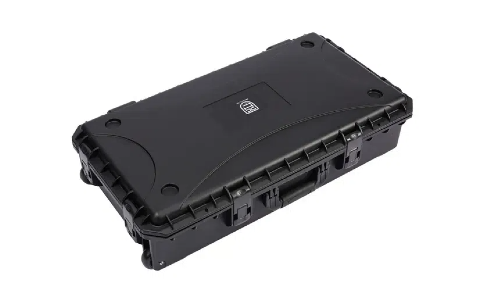
One of the main reasons professionals prefer protective plastic carry cases is their durability. Constructed from high-impact plastics such as HDPE, ABS, and polypropylene, these cases are resistant to cracking, deformation, and wear. Reinforced corners and ribbed exteriors absorb shocks and distribute force, ensuring the interior equipment remains safe.
Environmental protection is another critical advantage. High-quality plastic cases are designed to be water-resistant or fully waterproof, keeping moisture away from sensitive electronics, lenses, or firearm components. Dustproof seals prevent sand, dirt, and other particulates from infiltrating the case. For professionals working outdoors—photographers in deserts, engineers on construction sites, or field technicians in humid conditions—this protection is invaluable.
Protective plastic carry cases are engineered to withstand shocks that would easily damage items in soft cases. The combination of a rigid exterior and cushioned interiors ensures that even if a case is dropped, slammed in transit, or jostled in a vehicle, the equipment inside remains stable.
Foam interiors or molded compartments secure each item individually, preventing movement or collision. For example, drone carry cases often feature custom foam that separates the drone body, batteries, and controller, minimizing the risk of impact damage. Camera cases include tailored compartments for lenses, bodies, and accessories, reducing the chance of scratches or misalignment.
Some advanced plastic cases also incorporate shock-absorbing layers or suspension systems inside, providing additional protection for highly sensitive instruments like scientific devices or high-end electronics. This level of protection is something soft cases simply cannot offer.
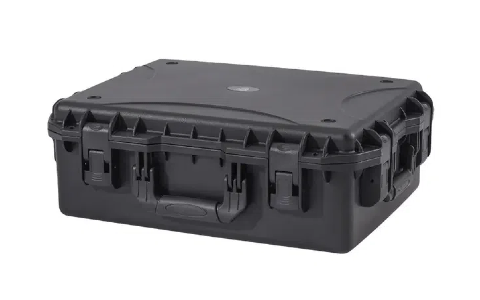
Professional users often handle multiple pieces of equipment that must be organized efficiently. Protective plastic carry cases provide structured interiors with compartments, adjustable dividers, and removable inserts. This organizational capability allows professionals to:
Keep fragile equipment separated and stable during transport.
Quickly access needed items without unpacking the entire case.
Store accessories, batteries, and tools alongside the main equipment in an orderly manner.
Soft cases, while flexible, often lack this level of internal organization. Items can shift and tangle, increasing the risk of damage and slowing down workflow. For photographers, engineers, or law enforcement personnel, this difference can mean the difference between efficiency and downtime.
Security is a major concern for professional equipment. Protective plastic carry cases typically include:
Lockable latches: Prevent unauthorized access.
Tamper-evident features: Show if a case has been opened.
Reinforced hinges and closures: Ensure that the case cannot be accidentally opened during transit.
For firearms, high-value electronics, or sensitive measurement instruments, these features provide peace of mind that soft cases cannot match. Soft cases, lacking rigid structure and secure latches, cannot guarantee the same level of security.
While soft cases are often cheaper upfront, their limited durability means they may need frequent replacement. Protective plastic carry cases, on the other hand, are designed for long-term use. Resistant to impact, weather, and environmental stress, they reduce equipment repair or replacement costs. The initial investment in a high-quality plastic case often pays off over time by preventing equipment damage and minimizing downtime.
Drone operators need cases that protect sensitive rotors, electronics, and cameras from shocks, dust, and moisture. Protective plastic cases keep drones and their accessories secure, organized, and ready for operation.
Photographers transport expensive cameras, lenses, and accessories to diverse locations. Plastic cases prevent scratches, absorb impacts, and protect against environmental factors, ensuring equipment remains operational even in rugged outdoor shoots.
Engineers and field technicians carry sensitive electronic devices that cannot tolerate dust, vibration, or moisture. Protective plastic cases safeguard these instruments, maintaining their functionality in demanding work sites.
Medical instruments, measuring tools, and specialized devices require secure storage. Plastic carry cases with molded compartments or foam inserts prevent internal movement and external damage.
Law enforcement, hunters, and security professionals rely on plastic gun cases to protect firearms. Lockable, impact-resistant, and padded, these cases ensure safety, prevent corrosion, and preserve operational integrity.
Consider a wildlife photographer traveling across a humid rainforest. A soft bag may protect the camera from minor scratches, but exposure to heavy rain or rough terrain could cause significant damage. A protective plastic camera case with waterproof seals, padded compartments, and reinforced edges ensures the camera and lenses remain dry, safe, and ready for immediate use.
An engineer transporting sensitive measurement devices through a construction site benefits from the rigidity and dustproof nature of a protective plastic case. Even when accidentally dropped or exposed to debris, the instruments remain intact and accurate.
A law enforcement officer carrying firearms and ammunition to a remote location relies on a plastic gun case to maintain security, prevent moisture damage, and avoid accidental movement of the contents during transport.
While soft cases offer convenience and portability, they cannot match the protection, durability, and organizational benefits of protective plastic carry cases. Professionals handling drones, cameras, electronics, specialized devices, or firearms require cases that can withstand impact, environmental hazards, and rough handling.
Protective plastic carry cases deliver superior impact resistance, environmental sealing, internal organization, security, and long-term durability. These qualities make them the preferred choice for professionals who cannot risk equipment damage or operational failure. Investing in a high-quality plastic carry case is not just about storage—it is about protecting valuable equipment, improving efficiency, and ensuring reliability in any professional scenario.
For professionals across industries, protective plastic carry cases are a long-term solution that combines safety, functionality, and peace of mind, proving why they are chosen over soft cases time and again.


