
Views: 184 Author: Site Editor Publish Time: 2025-12-05 Origin: Site

In today’s fast-paced professional world, the safe transport of sensitive and valuable equipment is paramount. Professionals across fields—photographers, drone operators, engineers, law enforcement, and technicians—frequently face situations where their equipment is exposed to physical impacts, environmental hazards, and logistical challenges. Without reliable protection, even minor accidents can lead to costly repairs, downtime, or compromised performance.
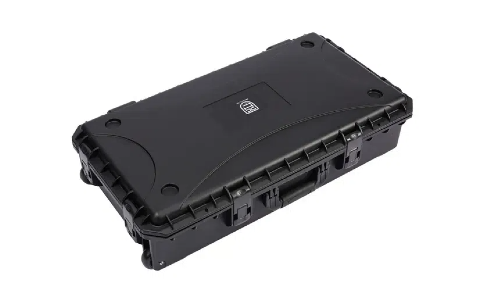
Protective plastic carry cases have emerged as essential tools for safeguarding professional equipment. Unlike conventional bags or containers, these cases combine durability, design intelligence, and practical features to ensure that valuable items remain secure, organized, and fully operational, regardless of the environment.
This article explores the key features that define high-quality protective plastic carry cases, examining how these elements protect professional equipment and enhance efficiency for users in demanding situations.
The foundation of any protective carry case lies in its materials. High-quality plastic cases are constructed from durable polymers designed to resist impact, wear, and environmental stress. Common materials include:
High-Density Polyethylene (HDPE): Known for its toughness, HDPE provides strong impact resistance while remaining lightweight. It is particularly suitable for cases that may experience frequent handling or rough transport conditions.
Polypropylene (PP): This versatile material offers chemical resistance, flexibility, and resistance to cracking. It is effective in scenarios where exposure to moisture, dust, or temperature fluctuations is likely.
Acrylonitrile Butadiene Styrene (ABS): ABS is a rigid, high-impact plastic that maintains structural integrity under mechanical stress, providing excellent protection for delicate equipment.
These materials form the exterior shell of the case, creating a durable barrier that safeguards the contents from drops, pressure, and environmental factors. Reinforced corners and ribbed structures are often incorporated to further enhance impact absorption and structural resilience.
Professional equipment is frequently exposed to adverse environmental conditions, such as rain, dust, humidity, or extreme temperatures. Protective plastic carry cases are designed to mitigate these risks.
Many high-quality cases feature rubber or silicone gaskets along the lid and edges, creating a watertight seal that prevents rain, spills, or accidental submersion from reaching the equipment inside. This feature is essential for electronics, drones, cameras, and other moisture-sensitive devices.
Dust and sand are common in outdoor or industrial environments and can compromise mechanical or electronic components. Protective plastic carry cases with tight-sealing lids and durable shells prevent particulate matter from entering, preserving the functionality and longevity of equipment.
High-quality plastics are engineered to withstand temperature fluctuations without warping or cracking. This ensures that devices transported in extreme heat, cold, or fluctuating conditions remain unaffected and functional.
Professional equipment, particularly drones, cameras, and firearms, is often fragile and sensitive to shocks. Protective plastic carry cases are designed to absorb impact and prevent internal damage.
The outer shell of the case is reinforced with ribbed or multi-layered construction, distributing force from drops or collisions across a wider area. This prevents localized damage that could otherwise compromise sensitive equipment.
The interior of a protective case is often lined with foam inserts or padded compartments. These elements secure each item individually, preventing movement during transport and absorbing shocks from accidental drops or vibrations. For example, a drone carry case may feature separate compartments for the drone body, batteries, and controller, ensuring each component is protected.
Some cases include “pick-and-pluck” or die-cut foam that allows users to configure compartments according to their specific equipment. This adaptability ensures maximum protection for irregularly shaped devices such as cameras with lenses, electronic instruments, or firearms.
A key advantage of protective plastic carry cases is their ability to keep equipment organized and easily accessible.
Compartments and dividers allow users to store accessories, spare parts, and essential items alongside the main equipment. Camera carry cases, for example, often include dedicated spaces for lenses, memory cards, and batteries, while drone cases can separate propellers, chargers, and controllers.
Some protective cases include removable or adjustable dividers, allowing professionals to adapt the interior layout based on their equipment. This flexibility is particularly useful for electronic carry cases or device carry cases where the size and shape of instruments may vary from project to project.
Strategically designed compartments also improve efficiency, enabling users to access their equipment quickly during critical tasks. For example, a professional photographer can retrieve a lens or battery without unpacking the entire case, saving time and reducing stress.
Many professional users require security beyond environmental protection. Protective plastic carry cases often incorporate:
Lockable Latches: Ensures that equipment remains secure during transit, preventing unauthorized access.
Tamper-Evident Closures: Some cases feature closures that indicate if the case has been opened, providing additional security for sensitive or high-value equipment.
Durable Hinges: Strong, reinforced hinges reduce the risk of accidental opening and maintain case integrity over long-term use.
These features are particularly important for gun carry cases, electronic carry cases, and device carry cases used in professional settings where safety and security are critical.
Despite their rugged construction, protective plastic carry cases are designed for portability and user convenience.
Ergonomic Handles: Designed for comfortable carrying, even when the case is loaded with heavy equipment.
Wheels and Retractable Handles: Larger cases, such as those used for drones or multiple electronic devices, often include wheels and retractable handles to facilitate easy transport.
Lightweight Design: High-strength plastics ensure durability without unnecessary weight, making it easier for professionals to move their equipment.
Portability ensures that protective cases can be used across multiple locations without causing fatigue or logistical challenges.
Drones are sensitive to environmental stress, impact, and moisture. Protective drone carry cases secure the drone, batteries, controllers, and accessories while protecting them from external hazards.
Professional photographers benefit from cases that protect expensive cameras, lenses, and accessories. Customizable foam interiors prevent collision damage and allow quick access during shoots.
Sensitive instruments, portable computing devices, and diagnostic tools require protection from moisture, dust, and impact. Electronic carry cases offer both shock absorption and environmental shielding for fieldwork or transport.
Medical instruments, measurement tools, and other specialized devices benefit from protective plastic cases that keep each item secure, organized, and functional, regardless of transport conditions.
Firearms require secure storage to prevent accidental discharge, corrosion, or mechanical damage. Protective plastic gun carry cases feature reinforced exteriors, foam interiors, and lockable latches to ensure safety and operational readiness.
Protective plastic carry cases are essential tools for professionals who rely on sensitive and valuable equipment. By combining durable materials, impact-resistant construction, environmental sealing, organizational features, security measures, and portability, these cases ensure that equipment remains safe, functional, and easily accessible.
Whether transporting drones, cameras, electronic instruments, specialized devices, or firearms, high-quality protective plastic carry cases provide peace of mind, efficiency, and long-term protection. Investing in these cases is an investment in reliability, safety, and professional performance.
For professionals and enthusiasts alike, the key features of protective plastic carry cases—durability, environmental resistance, shock absorption, organization, security, and portability—make them indispensable for safeguarding equipment in everyday use and challenging environments.


