
Views: 0 Author: Site Editor Publish Time: 2025-07-02 Origin: Site

When protecting sensitive electronic equipment, two of the most critical risks to address are moisture and overheating. Both can cause severe damage, reduce the lifespan of your devices, and lead to costly repairs or replacements. Whether you’re using a rack case to transport audio gear, IT servers, or broadcast equipment, maintaining an optimal environment inside the case is essential.
Moisture can lead to corrosion, short circuits, and electrical failures. Even small amounts of humidity trapped inside a sealed rack case can create long-term problems if not properly managed. On the other hand, overheating can cause components to malfunction or permanently degrade. Electronic devices generate heat during operation, and inadequate ventilation inside a rack case can quickly raise temperatures to unsafe levels.
Understanding the dangers of moisture and heat—and implementing effective prevention strategies—ensures that your equipment stays protected and performs reliably. In this article, we’ll explore how to keep your rack case environment dry and cool, safeguarding your valuable gear no matter where you deploy it.
Moisture is one of the biggest enemies of electronic equipment. When water vapor or condensation forms inside a rack case, it can lead to several damaging effects:
Corrosion: Moisture causes metal components, circuit boards, and connectors to corrode over time. This corrosion degrades electrical contacts and can cause intermittent failures or complete device malfunction.
Short Circuits: Water is a conductor of electricity. Even small amounts of moisture can create unintended pathways for current, leading to short circuits that may permanently damage the equipment or cause dangerous failures.
Component Degradation: Many electronic parts, including capacitors and resistors, are sensitive to humidity. Prolonged exposure to moisture can degrade their performance and reliability.
Mold and Mildew Growth: In humid environments, mold or mildew can develop inside the rack case, affecting not only the equipment but also posing health risks to operators.
Insulation Breakdown: Moisture can compromise the insulation of wiring and cables, increasing the risk of electrical faults or fires.
Because rack cases are often sealed to protect from dust and impact, they can trap moisture inside if not properly ventilated or managed. That’s why preventing moisture buildup is critical to maintaining the longevity and performance of your electronic devices.
Overheating poses a serious threat to electronic equipment housed inside rack cases. When temperatures rise beyond a device’s designed operating range, several damaging effects can occur:
Reduced Performance: Many components, such as processors and memory modules, throttle their performance to prevent damage when overheated, resulting in slower operation or glitches.
Permanent Damage: Excessive heat can physically degrade sensitive parts like semiconductors, capacitors, and solder joints, leading to permanent failure.
Shortened Lifespan: Prolonged exposure to high temperatures accelerates wear and tear, reducing the overall lifespan of your equipment significantly.
Thermal Expansion Stress: Heat causes materials to expand, which can create mechanical stress on circuit boards and connectors, causing cracks or loose connections.
Unexpected Shutdowns: Many devices include thermal protection circuits that shut down the system to prevent damage, disrupting workflow and productivity.
Because rack cases enclose equipment in a confined space, poor ventilation can quickly cause internal temperatures to spike. Without proper cooling measures, heat buildup can be a silent killer of expensive electronics.
Preventing overheating through good case design, ventilation, and proper usage habits is essential to keeping your equipment safe and operational.
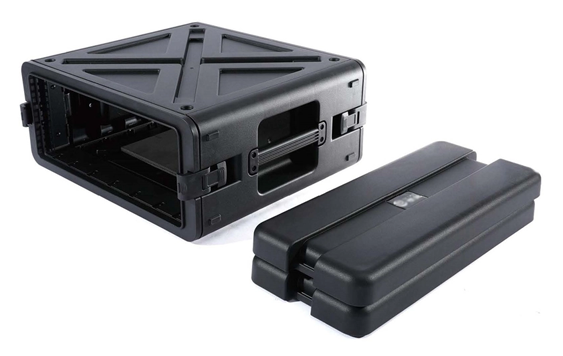
Modern rack cases come equipped with several design features aimed at protecting your equipment from moisture and heat. Understanding these features can help you choose the right case and maintain your devices effectively.
One of the most important protective features is the IP67 rating, which means the rack case is dust-tight and can withstand immersion in water up to 1 meter deep for 30 minutes. This waterproofing prevents moisture, rain, or accidental spills from penetrating the case and damaging sensitive electronics inside. An IP67-rated rack case ensures your equipment stays dry in harsh environments—whether on stage, in the field, or during transport.
While sealing out moisture is critical, proper ventilation is equally important to prevent overheating. Many rack cases feature ventilation ports or mesh panels that allow air circulation without compromising protection. Some designs include removable filters to keep dust and debris out while enabling airflow. Good ventilation helps dissipate heat generated by your equipment, maintaining safe operating temperatures even during long hours of use.
Another advanced feature found in high-quality rack cases is the automatic pressure relief valve. As temperature and altitude change, pressure inside a sealed case can fluctuate, potentially stressing seals or causing condensation. The pressure relief valve balances internal and external pressure, preventing vacuum lock or case deformation. This small but vital component helps maintain the integrity of the waterproof seal and reduces moisture buildup, especially during air transport or rapid environmental changes.
Beyond selecting a well-designed rack case, following proper use and storage practices is crucial to prevent moisture buildup and overheating inside your case.
Whenever possible, keep your rack case and equipment away from high-humidity areas such as basements, outdoor damp locations, or poorly ventilated rooms. Excess humidity increases the risk of condensation forming inside the case, which can lead to corrosion and electrical problems. If you must operate in such environments, consider additional protective measures like sealed cases and dehumidifiers.
Placing desiccant packs (silica gel packets) inside your rack case is an effective way to absorb moisture and keep the internal atmosphere dry. Regularly check and replace these packs to maintain their effectiveness. Additionally, humidity indicators—small cards or sensors that change color based on moisture levels—can alert you when the internal humidity rises, allowing timely intervention before damage occurs.
Direct sunlight can rapidly raise the temperature inside a rack case, causing overheating. Always store and operate your rack case in shaded or temperature-controlled areas when possible. If you need to transport equipment outdoors, consider protective covers or sunshades to minimize heat absorption.
Protecting your valuable equipment inside a rack case requires more than just a sturdy enclosure—it’s about combining smart design features with effective usage habits. Features like IP67 waterproofing, built-in ventilation, and automatic pressure relief valves play a vital role in defending against moisture and overheating.
However, even the best rack case cannot fully protect your gear without proper care. Avoiding humid environments, using desiccant packs, and shielding your case from prolonged sun exposure are simple yet powerful habits that greatly reduce the risks of corrosion and heat damage.
By integrating thoughtful case selection with responsible use and storage, you can significantly extend the lifespan of your electronic equipment, ensuring consistent performance and reliability over time.
For reliable, high-quality rack cases designed with these protective features in mind, consider exploring ProTech’s range of products. Visit www.protechxcases.com to find solutions tailored to your needs and keep your gear safe wherever you go.


