
Views: 139 Author: Site Editor Publish Time: 2026-03-12 Origin: Site

When it comes to transporting valuable and sensitive items, businesses and individuals alike need to ensure that their goods are kept safe from the unpredictable nature of extreme temperatures. Whether it’s the scorching heat of summer or the bone-chilling cold of winter, hard cases designed to withstand these temperature extremes are an essential part of any logistics strategy.
The transportation of goods often exposes them to drastic changes in temperature. These temperature fluctuations can significantly impact the quality and safety of products, particularly electronics, pharmaceuticals, and sensitive equipment. Hard cases play a crucial role in minimizing these risks by providing robust protection against extreme temperatures.
Choosing the right hard case is essential to ensure that your products remain intact and functional, no matter what environmental conditions they may encounter during shipping, handling, or storage.
Temperature changes can affect a wide range of materials, from the electronics inside your devices to the structural integrity of the case itself. Extreme heat can cause overheating, leading to system failures or degradation of materials. On the other hand, cold temperatures can cause brittleness, cracking, and even freezing of sensitive substances. That’s why selecting a hard case that is specifically designed to withstand these extremes is vital.
In this article, we will explore the key factors you should consider when selecting a hard case capable of withstanding extreme temperature changes. We’ll cover the materials, insulation options, and features that make a hard case suitable for protecting your goods in various temperature conditions.
Temperature resistance refers to the ability of a hard case to maintain the integrity of its contents despite being exposed to external temperature changes. This includes protecting the items inside from heat, cold, and rapid fluctuations in temperature. Temperature-resistant hard cases are designed to provide a stable internal environment, preventing any damage from environmental extremes.
Hard cases with temperature resistance are particularly important for industries that ship sensitive electronics, pharmaceuticals, food products, and chemical materials. These goods require a stable environment to maintain their quality and functionality.
Extreme temperatures can have a detrimental effect on both the external shell and the internal contents of a hard case. For example:
High temperatures can cause materials like plastics to deform, soften, or become brittle. This can compromise the case's ability to protect its contents.
Low temperatures can make certain materials more rigid and prone to cracking or breaking. Similarly, the contents may become frozen or susceptible to condensation, which could lead to malfunction or spoilage.
It’s crucial to choose a hard case that uses durable materials designed to withstand these extremes and protect the contents from damage.
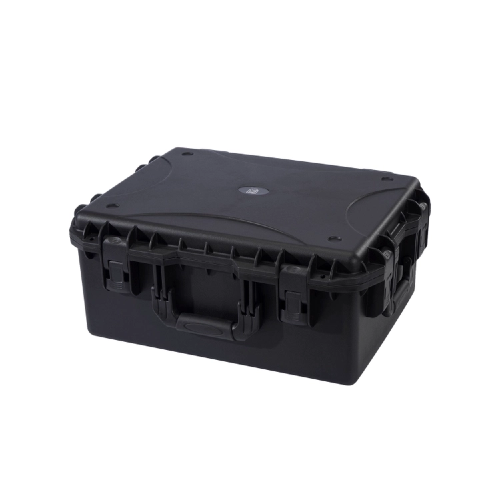
The material used in the outer shell of a hard case is one of the most important factors in determining its temperature resistance. Different materials offer varying levels of durability and protection from temperature extremes.
Material | Temperature Resistance | Key Features | Ideal Applications |
Polypropylene (PP) | Resistant to temperatures from -40°F to 200°F | Lightweight, impact-resistant, durable | Electronics, camera equipment, light industrial goods |
High-Density Polyethylene (HDPE) | Can withstand temperatures from -50°F to 200°F | Sturdy, resistant to cracking and fading | Heavy-duty tools, machinery, medical devices |
Aluminum | Effective from -40°F to 150°F | Corrosion-resistant, strong and lightweight | Aerospace components, high-end electronics, military gear |
Fiberglass | Resistant to temperatures from -70°F to 350°F | Extremely strong and durable, flame-retardant | Industrial equipment, hazardous materials, military gear |
As seen in the table above, hard cases made from materials like HDPE, fiberglass, or polypropylene provide varying levels of protection depending on the temperature ranges they are designed to withstand.
For sensitive goods, such as electronics, you may want a hard case made of materials like polypropylene or HDPE, which offer excellent temperature resistance, while for industrial equipment, fiberglass cases may be more appropriate due to their enhanced durability and strength at both low and high temperatures.
When it comes to temperature resistance, insulation plays a key role in regulating the internal environment of the hard case. Insulated hard cases contain materials designed to reduce the impact of external temperature fluctuations on the contents.
Foam Lining: A common option for temperature-resistant hard cases, foam inserts offer cushioning while also acting as a thermal barrier.
Thermal Barriers: Advanced hard cases may include multi-layered thermal barriers that provide both impact protection and insulation, ensuring a stable internal temperature regardless of external conditions.
The thickness and type of insulation inside a hard case depend on the specific needs of the product being transported. Items like medical supplies, pharmaceuticals, and food products may require hard cases with thicker insulation to maintain temperature stability.
A high-quality hard case will include airtight and watertight seals to prevent temperature fluctuations from affecting the contents. Hard cases with superior sealing mechanisms, such as pressure relief valves and rubberized gaskets, ensure that the internal environment remains consistent even when exposed to extreme temperature changes.
When choosing a hard case, it’s essential to consider the manufacturer’s temperature rating. These ratings indicate the range of temperatures that the case can handle without compromising the protection it provides.
Typically, temperature-resistant hard cases can withstand a wide range of temperatures, with many rated from -40°F to 200°F. However, more specialized cases can endure even more extreme conditions, with some hard cases designed to function in sub-zero environments or extreme heat.
It’s crucial to select a hard case with a temperature rating that aligns with the conditions your goods will face during transport. For example, cases used for outdoor equipment may need a broader range, while cases for sensitive electronics or medical products may only need protection against moderate temperature fluctuations.
Always check the product’s specifications to find the manufacturer’s temperature rating. This information is typically available in the case’s technical datasheet or on the manufacturer’s website. If the temperature range is not clearly stated, consider contacting the manufacturer directly to confirm the case’s temperature resistance capabilities.
Electronics, such as cameras, laptops, and drones, are particularly sensitive to temperature changes. Choosing a hard case for electronics requires focusing on a case made from temperature-resistant materials like polypropylene or HDPE, which offer strong protection from both heat and cold.
Look for cases with foam inserts designed specifically for electronics, as this will not only protect the items from temperature fluctuations but also prevent any movement inside the case during transport.
Outdoor equipment, including camping gear, tools, and survival kits, often faces harsh environmental conditions. For these items, it is essential to choose a hard case that offers robust temperature protection. Cases made of fiberglass or HDPE are excellent choices, as they provide both strength and insulation to protect equipment from temperature extremes, moisture, and physical damage.
For pharmaceuticals, vaccines, and perishable goods, temperature regulation is critical. Specialized hard cases designed for these items often feature advanced insulation and sealing systems to ensure the internal temperature stays within safe ranges. Cases with built-in temperature sensors or thermo-regulated environments can provide additional peace of mind.
In addition to temperature resistance, it’s important to ensure that the hard case is durable enough to withstand rough handling during transport. Look for hard cases that are resistant to physical damage, with reinforced corners and impact-resistant shells that can endure drops, bumps, and other mishandling.
While durability and temperature resistance are important, weight also plays a significant role. A hard case that is too heavy can make transportation cumbersome, especially if it’s being carried or moved manually. Opt for a hard case that balances durability with portability to ensure ease of handling without compromising protection.
Many hard cases offer customization options, such as custom foam inserts, lockable latches, and the ability to add branding or identification. These features not only enhance security but also ensure that the hard case is tailored to meet your specific needs.
Choosing the right hard case for extreme temperature protection is crucial to ensuring the safety and integrity of your valuable goods during transit. By understanding the materials, insulation features, and temperature ratings of hard cases, you can make an informed decision to keep your items secure, functional, and shielded from temperature extremes.
Whether you’re transporting electronics, outdoor equipment, or perishable goods, selecting the proper hard case will offer peace of mind knowing that your products are protected against harsh environmental conditions. At ProTech, we specialize in high-quality hard cases designed to withstand extreme temperature variations, ensuring your goods remain safe throughout their journey.
Our team is dedicated to helping you find the ideal solution tailored to your specific needs. If you're looking for durable, temperature-resistant hard cases that guarantee the safety of your products, we encourage you to reach out to us. We're here to assist with selecting the perfect case for your transport requirements and provide expert advice on how to best protect your sensitive items.
A good hard case typically offers temperature resistance from -40°F to 200°F. More specialized cases can handle even greater temperature ranges, depending on your specific needs.
Look for hard cases with thick foam lining or multi-layered thermal barriers. Manufacturers often list this information in product specifications.
Yes, certain hard cases are designed for low-temperature environments. These cases often feature extra insulation and materials that maintain flexibility and durability in freezing conditions.
Yes, hard cases with airtight seals and pressure relief valves are ideal for air transport, as they maintain stable internal temperatures despite altitude changes and external weather conditions.


