
Views: 0 Author: Site Editor Publish Time: 2025-09-18 Origin: Site

In today’s professional and industrial landscape, transporting sensitive equipment safely is a critical challenge. Whether it is electronic devices, precision tools, laboratory instruments, or medical equipment, these items are often expensive, delicate, and essential for operational success. Damage during transit can result in costly repairs, delays, or even complete operational shutdowns. To mitigate these risks, impact rack cases have become indispensable for professionals who need both protection and convenience when transporting sensitive equipment.
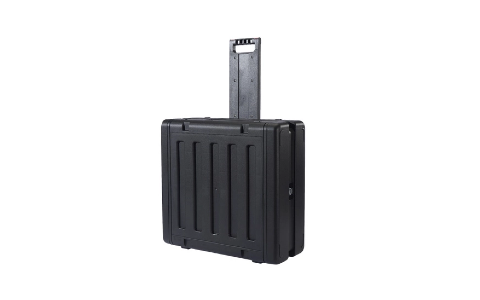
Impact rack cases are specially designed storage solutions that provide robust protection for equipment during transit. Unlike standard storage boxes or soft cases, these cases combine a rigid exterior with internal support structures to absorb shocks, vibrations, and impacts. Their primary goal is to prevent physical damage to sensitive items caused by sudden movements, drops, or collisions during transport.
The construction of an impact rack case typically involves high-strength materials such as ABS, polycarbonate, or polypropylene, which offer durability without being overly heavy. Inside, padded compartments, foam inserts, or shock-absorbing trays ensure that each piece of equipment remains securely in place, reducing the risk of movement that could lead to damage.
Many impact rack cases also feature wheels and ergonomic handles for mobility, making it easier to transport heavy or bulky equipment over long distances. This combination of protection, organization, and portability makes impact rack cases a preferred choice for professionals in industries where equipment safety is paramount.
To understand how impact rack cases protect sensitive equipment, it’s important to examine their key features:
The outer shell of an impact rack case is designed to withstand physical abuse. Materials such as ABS or polycarbonate provide high impact resistance while remaining relatively lightweight. Reinforced corners, edges, and latches further enhance durability, protecting equipment from drops, collisions, and rough handling.
Inside the case, foam inserts or padded compartments are specifically engineered to absorb vibrations and sudden shocks. Customizable interiors allow each piece of equipment to fit snugly, preventing movement and minimizing the risk of internal damage. For example, electronic components or precision instruments are cushioned to avoid scratches, bending, or misalignment caused by transit jolts.
Many impact rack cases come with integrated wheels and telescopic handles. These features make transporting heavy or cumbersome equipment more manageable, especially in environments such as airports, industrial sites, or laboratories. Multi-directional wheels improve maneuverability in tight spaces, while ergonomic handles reduce physical strain.
Impact rack cases often include lockable latches or the ability to attach padlocks, providing an added layer of security. This prevents unauthorized access and ensures that valuable equipment remains protected during storage or transit.
Some impact rack cases are designed to resist moisture, dust, and temperature fluctuations, making them suitable for a wide range of professional environments. This ensures that sensitive electronics, medical instruments, or other delicate equipment remain safe even in harsh conditions.
Impact rack cases are used across multiple industries where equipment safety during transport is critical. Their versatility makes them suitable for a wide range of professional applications.
Engineers and field technicians frequently transport heavy and delicate industrial equipment. Impact rack cases protect devices such as meters, analyzers, testing instruments, and mechanical tools from shocks and environmental damage. The customizable interior compartments ensure that each piece of equipment remains secure, even when moving across rough or uneven surfaces.
Precision tools, including torque wrenches, calipers, and micrometers, require careful handling to maintain their accuracy. Impact rack cases provide protective cushioning, preventing vibrations or shocks from affecting tool calibration. Professionals who rely on precise measurements benefit from the added safety these cases provide.
Healthcare professionals transporting medical instruments or emergency supplies rely on impact rack cases for protection. Syringes, diagnostic tools, medications, and portable medical devices remain secure and sterile during transport. Shock-absorbing interiors and environmental resistance features ensure that equipment arrives in optimal working condition, even when transported over long distances or rough terrain.
Musicians, sound engineers, and IT professionals often need to transport sensitive electronic devices such as mixers, speakers, or computers. Impact rack cases prevent jostling or accidental impacts that could damage delicate circuits and components. The ability to customize compartments for specific equipment ensures a secure fit and minimizes downtime caused by equipment failure.
Researchers, photographers, and outdoor specialists frequently operate in unpredictable environments where equipment is exposed to potential hazards. Impact rack cases protect cameras, drones, GPS devices, and other field tools from moisture, dust, and physical impacts. Wheeled designs allow users to navigate uneven terrain without risking equipment safety.
The benefits of impact rack cases extend beyond simple protection. Here are several key advantages:
Maximum Protection: Rigid exteriors and shock-absorbing interiors safeguard equipment against drops, vibrations, and environmental hazards.
Improved Mobility: Wheels and ergonomic handles make it easier to transport heavy or bulky items.
Organization: Compartments, trays, and foam inserts keep equipment orderly and easily accessible.
Durability: High-quality materials resist wear and tear, ensuring long-term use even under demanding conditions.
Versatility: Suitable for a wide variety of professional tools, medical devices, electronics, and field equipment.
Reduced Downtime: By preventing damage, impact rack cases reduce the time and cost associated with repairs or equipment replacement.
When selecting an impact rack case, consider the following factors:
Material Quality: Ensure the case is made of durable, impact-resistant materials such as ABS, polypropylene, or polycarbonate.
Interior Design: Check for customizable foam inserts or padded compartments tailored to your equipment.
Mobility: Evaluate wheel quality, handle design, and overall ease of transport.
Security Features: Look for lockable latches or padlock compatibility for added protection.
Environmental Resistance: Consider waterproofing, dustproofing, and temperature tolerance based on your work environment.
Size and Weight: Choose a case that fits your equipment securely without being cumbersome to transport.
Regular Inspections: Check wheels, handles, and latches for wear or damage.
Cleaning: Remove dust and moisture from the exterior and interior to maintain protective qualities.
Foam Replacement: Replace foam inserts when they lose their cushioning ability.
Proper Storage: Store cases in dry, cool locations when not in use to extend their lifespan.
Impact rack cases are essential tools for professionals who need to transport sensitive or valuable equipment safely. By combining durable exteriors, shock-absorbing interiors, mobility features, and environmental protection, these cases minimize the risk of damage during transit. Their versatility makes them ideal for industrial equipment, precision tools, medical instruments, electronic devices, and outdoor gear.
For professionals operating in high-risk environments, using impact rack cases not only protects valuable equipment but also enhances efficiency, organization, and peace of mind. Investing in a high-quality impact rack case ensures that sensitive equipment remains secure, functional, and ready for use wherever work or travel takes you.


